
- Former prosecutor and honors grad of NYU Law
- Experienced defender of licensed healthcare providers
- Compassionate advocate | Aggressive trial lawyer

Pharmacist License Defense
Colorado pharmacists make careers out of protecting people’s health via safe medication management. Those careers depend on having a clean license with the Board of Pharmacy. When a pharmacist is accused of misconduct or practice errors, the Board has enormous power to discipline or revoke the pharmacist’s professional license. Like pharmacists, though, the Board is imperfect. The Board tries to protect the public, but it may overreact to ordinary mistakes or behavioral health concerns, and it may give too much credit to speculative accusations. A specialized attorney can help defend the pharmacist’s license, so the pharmacist can continue their career of service.
The Colorado Board of Pharmacy begins disciplinary cases against licensees with a complaint that requires a timely written response. The stakes are high and you should contact a license defense lawyer for advisal and assistance with this response. Even minor discipline is permanently public, and discipline can have downstream effects on licenses in other states, DEA registration, and more. Drug and alcohol issues are especially fraught issues for pharmacists, given their access to controlled substances and the potentially high consequences of medication errors. Most situations are salvageable with a good defense, so don’t panic–but be prepared for a fight.
Colorado pharmacists make careers out of protecting people’s health via safe medication management. Those careers depend on having a clean license with the Board of Pharmacy. When a pharmacist is accused of misconduct or practice errors, the Board has enormous power to discipline or revoke the pharmacist’s professional license. Like pharmacists, though, the Board is imperfect. The Board tries to protect the public, but it may overreact to ordinary mistakes or behavioral health concerns, and it may give too much credit to speculative accusations. A specialized attorney can help defend the pharmacist’s license, so the pharmacist can continue their career of service.

The Colorado Board of Pharmacy begins disciplinary cases against licensees with a complaint that requires a timely written response. The stakes are high and you should contact a license defense lawyer for advisal and assistance with this response. Even minor discipline is permanently public, and discipline can have downstream effects on licenses in other states, DEA registration, and more. Drug and alcohol issues are especially fraught issues for pharmacists, given their access to controlled substances and the potentially high consequences of medication errors. Most situations are salvageable with a good defense, so don’t panic–but be prepared for a fight.

License Defense Specialist
Matt Hand is an honors graduate of NYU Law and former criminal prosecutor. I have won the large majority of about 50 jury trials as both a prosecutor and defender, and I have handled hundreds of other hearings, from civil to administrative to criminal. I have defended hundreds of licensed professionals, including nurses, pharmacists, doctors, therapists, and more.
Matt Hand is an honors graduate of NYU Law and former criminal prosecutor. I have won the large majority of about 50 jury trials as both a prosecutor and defender, and I have handled hundreds of other hearings, from civil to administrative to criminal. I have defended hundreds of licensed professionals, including nurses, pharmacists, doctors, therapists, and more.
My practice is focused on the special needs that healthcare professionals have when facing allegations of criminal or professional misconduct. I am not a pharmacist or other healthcare licensee, but I have extensive experience with healthcare licensing boards at DORA, the Office of Administrative Courts, as well as the broader regulatory world that affects Colorado healthcare professionals– from DEA registrations to insurance credentialing and more.
My practice is focused on the special needs that healthcare professionals have when facing allegations of criminal or professional misconduct. I am not a pharmacist or other healthcare licensee, but I have extensive experience with healthcare licensing boards at DORA, the Office of Administrative Courts, as well as the broader regulatory world that affects Colorado healthcare professionals– from DEA registrations to insurance credentialing and more.
Legal Services and Areas of Service
- Healthcare license defense and advisal -- Throughout Colorado.
- Criminal defense for licensed professionals -- Greater metro Denver area.
- To schedule a free phone consultation, email: matt@handlaw.com
My criminal defense practice primarily serves Colorado professionals licensed by DORA boards such as the Board of Nursing, Medical Board, Board of Pharmacy, Dental Board, and Board of Veterinary Medicine. I accept criminal cases that do not involve a healthcare license when I have availability.
Client Reviews

Mr Hand is AMAZING in terms of DORA issues. He is very detailed, provides precise plans of action with rationales, and he is responsive to emails (no middle man).
Jack Doe
Jane Doe
John Doe
Matt exceeded our expectations in protecting me. He’s extremely knowledgeable about DORA cases and ensured we had a successful outcome. I’m very grateful for his help and hard work. I spoke with several lawyers prior to Matt, and he was the most professional, kind, and helpful person from our first interaction moving forward.
Mr. Hand is AMAZING in terms of DORA issues. He is very detailed, provides precise plans of action with rationales, and he is responsive to emails (no middle man).
Matt exceeded our expectations in protecting me. He’s extremely knowledgeable about DORA cases and ensured we had a successful outcome. I’m very grateful for his help and hard work. I spoke with several lawyers prior to Matt, and he was the most professional, kind, and helpful person from our first interaction moving forward.
John Doe
I was in a poor position with my license. It was a complex multi-state case. Matthew instructed me on multiple things to do to help my case. He laid out all possible outcomes and is extremely knowledgeable in his field. Thankfully, we were able to get the case dismissed. Highly recommend him if you’re trying to protect your license!
Jane Doe
Pharmacist License - Causes of Discipline
The Colorado Board of Nursing is empowered by law to discipline nursing licensees for a range of unprofessional conduct. Most incidents giving rise to discipline can be characterized as triggering multiple grounds for discipline. Sometimes it is possible to defend each and every claimed ground for discipline– Matt Hand regularly wins dismissals of complaints, though every case is different. Sometimes it is necessary to admit the unprofessional conduct as part of an agreement to receive tolerable disciplinary sanctions. Sometimes it is possible to contest certain claimed unprofessional conduct, while admitting other conduct, to obtain more proportionate, reasonable discipline. A nursing license defense lawyer can guide you through this minefield. What follows is a list of some common grounds for nursing license discipline.
The Colorado Board of Nursing is empowered by law to discipline nursing licensees for a range of unprofessional conduct. Most incidents giving rise to discipline can be characterized as triggering multiple grounds for discipline. Sometimes it is possible to defend each and every claimed ground for discipline– Matt Hand regularly wins dismissals of complaints, though every case is different.

Sometimes it is necessary to admit the unprofessional conduct as part of an agreement to receive tolerable disciplinary sanctions. Sometimes it is possible to contest certain claimed unprofessional conduct, while admitting other conduct, to obtain more proportionate, reasonable discipline. A nursing license defense lawyer can guide you through this minefield. What follows is a list of some common grounds for nursing license discipline.
- Misrepresentation, fraud, or deceit in procuring, attempting to procure, or renewing a license, certification, or registration
- Commission of or conviction for a felony (including deferred judgments)
- Violation of the Pharmacy Practice Act, rules of the Board, or any law regarding to drugs
- Being “unfit or incompetent by reason of negligence or habits, or for any other cause, to practice pharmacy or to practice as a pharmacy technician”
- Habitual or excessive use or abuse of alcohol, a habit-forming drug, or a controlled substance, as defined in section 18-18-102 (5)
- Pharmacy license discipline in any other state, or commission of acts in other state that would subject the pharmacist to discipline in Colorado
- Advertising in a way that is misleading, deceptive, or false
- Dispensing certain controlled substances more than six months after the date of the order
- Practicing while on inactive status
- Failing to meet generally accepted standards of pharmacy or pharmacy technician practice
- Failing to permit the board or its agents to conduct a lawful inspection
- Violating any lawful board order
- Insurance fraud
- Willful deception of the Board or its agents
Failing to notify the Board:
- Of any criminal conviction or deferred judgment within thirty days after the conviction or judgment
- Of any discipline, within thirty days after the discipline, against a license or certificate in another state
- Of a judgment or settlement against the licensee for malpractice
- Of a physical illness, physical condition, or behavioral, mental health, or substance use disorder that affects the person’s ability to treat clients with reasonable skill and safety or that may endanger the health or safety of persons under his or her care
- Or failing to act within the limitations created by a condition as described above, or within the limitations agreed to as part of a confidential agreement regarding same
- Having a federal registration concerning controlled substances suspended or revoked.
Pharmacist Licenses - Disciplinary Sanctions

When grounds for discipline against a licensee exist, the Colorado Board of Pharmacy may impose a wide range of possible disciplinary sanctions. In narrow circumstances, the Pharmacy Board may determine that no formal action is necessary, and may only send the pharmacist a confidential letter of concern. At the other extreme, the Board may revoke a pharmacy license completely. Between those two extremes are a range of intermediate sanctions, from a letter of admonition, to a probationary license with practice restrictions, to education and treatment requirements, to temporary suspensions of a pharmacy license.
These different levels of sanctions can be, from the perspective of the pharmacist, night and day. An aggressive license defense lawyer will fight to improve and manage the potentially severe consequences of a disciplinary action, so that you can maintain your career and reputation.
When grounds for discipline against a licensee exist, the Colorado Board of Pharmacy may impose a wide range of possible disciplinary sanctions. In narrow circumstances, the Pharmacy Board may determine that no formal action is necessary, and may only send the pharmacist a confidential letter of concern. At the other extreme, the Board may revoke a pharmacy license completely. Between those two extremes are a range of intermediate sanctions, from a letter of admonition, to a probationary license with practice restrictions, to education and treatment requirements, to temporary suspensions of a pharmacy license.
These different levels of sanctions can be, from the perspective of the pharmacist, night and day. An aggressive license defense lawyer will fight to improve and manage the potentially severe consequences of a disciplinary action, so that you can maintain your career and reputation.
The Board of Pharmacy has a lot of discretion in choosing disciplinary sanctions as long as it is following the law and acting in what it believes is the public interest. Though possible, it is difficult to challenge its final determination of one sanction versus another, once they have proven that some discipline was warranted. Generally, courts will uphold the Board’s choice of sanctions unless the sanctions bear no relation to the conduct, are manifestly excessive in relation to the needs of the public, or constitute a gross abuse of its discretion. Those are high bars to overcome, and so it is important for a lawyer to try to influence the Board of Pharmacy’s decision up front, through negotiation. If that fails, some cases are good candidates for litigation in the administrative courts, where complaints that have not been settled through negotiation are fought by the two sides. Appeals are a last resort that have a real chance of success only when the Board and administrative courts have committed legal error.
For both negotiation and litigation, the key is to credibly and persuasively deny what can be effectively denied, to contextualize and mitigate any unprofessional conduct that did occur, and to persuade the Board of Pharmacy that severe discipline is not necessary to protect the public. These efforts take a variety of forms, from interviewing fact witnesses, to retaining experts to opine on standards of care, to getting the pharmacist treatment for drug or alcohol use disorders, to obtaining character and reference letters, to using unique procedural statutes and regulations to the licensee’s advantage, and much more. At all points, a pharmacist license lawyer will be fighting to ensure that the individual’s rights are not violated, that the Board of Pharmacy is held to its burden of proof, that the Board of Pharmacy does not exceed its legal authority, and that the most persuasive arguments in favor of the pharmacist are presented in every forum, from initial negotiations with the Board, all the way to appeals, if necessary.
Criminal Charges and Pharmacist Licenses
Criminal charges against a pharmacist can give rise to disciplinary action against the pharmacist’s professional license, even when the criminal allegations had nothing to do with the workplace, and sometimes even when the criminal charges are beaten by the pharmacist (this gets technical). Criminal charges against a pharmacist require a coordinated defense of both the criminal case and the Board of Pharmacy disciplinary action. Most criminal convictions must be reported within 30 days of conviction or plea, and any pharmacist license renewal application will inquire about such cases.
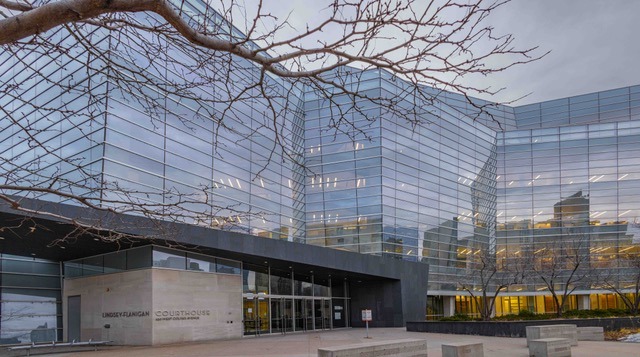
But the law specifies that only certain convictions in and of themselves constitute unprofessional conduct warranting license discipline– namely felonies. But once reported, the Board will review the conduct underlying ANY criminal case for issues such as excessive use or abuse of alcohol or drugs, general fitness to practice, and other possible bases for discipline.
Because of potentially severe professional license consequences, it is typically necessary for a pharmacist to be more aggressive than the average person in defending against criminal accusations. Even when the criminal consequences may seem mild (say, merely a fine or probation), the act of pleading guilty can trigger serious consequences for a pharmacist license. So if you’ve been charged with a crime, slow down, and get help. I am a former prosecutor with an extensive criminal defense practice. I have fought for pharmacists, doctors, nurses and allied health professionals charged with felony assault, domestic violence, DUIs, child abuse, hit and run, theft, and more. Though every case is different, in many appropriate cases I have obtained dismissals or acquittals of serious charges, thereby avoiding or limiting disciplinary action against their licenses. In other cases, we have been able to present mitigation and structure a favorable plea in the criminal case, while limiting the impact to the person’s professional license.
Alcohol & Drug Abuse and Pharmacist Licenses
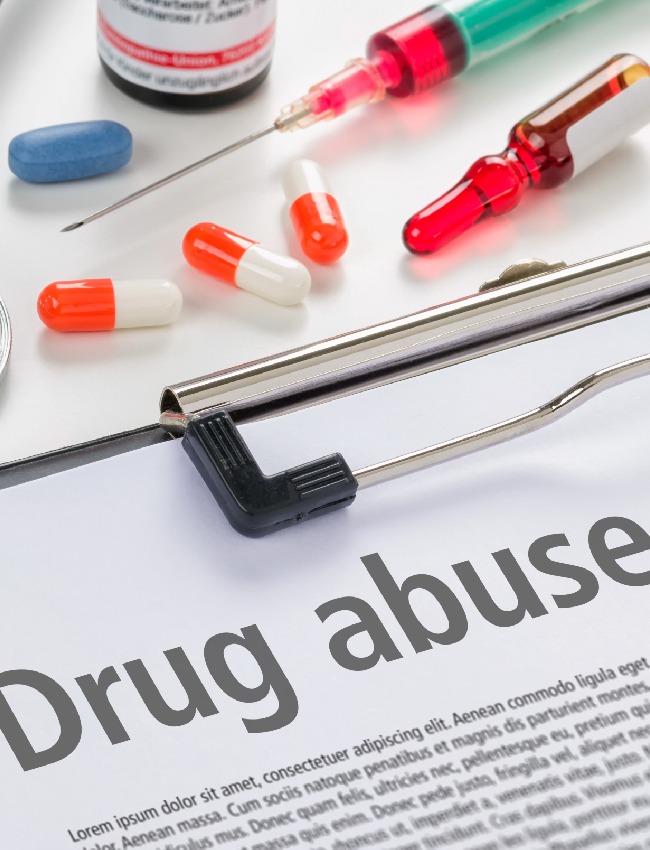
A pharmacist license is at risk if the pharmacist has a problem with excessive alcohol use or drug abuse, but in many cases there are ways to preserve the license without crippling restrictions. In some cases, the matter can even be kept confidential, which is normally impossible with pharmacist license discipline. The only good chance of a confidential resolution, though, is if the pharmacist identifies the issue and initiates treatment via the Board’s peer health assistance program prior to a complaint being filed. Self-reporting has risks, too, though, so always discuss this with an attorney.
If a complaint has been filed based on suspected impairment at work or diversion, the path forward may be substantially harder. In some cases, drug or alcohol cases can be reported to the Board anonymously, or by coworkers, or can come to light via a criminal case involving drugs or alcohol. Even after the Board has initiated action, though, a coordinated legal defense and serious efforts at achieving sobriety will often create a manageable path forward. Do not despair, but get serious about sobriety and contact a lawyer.
A pharmacist license is at risk if the pharmacist has a problem with excessive alcohol use or drug abuse, but in many cases there are ways to preserve the license without crippling restrictions. In some cases, the matter can even be kept confidential, which is normally impossible with pharmacist license discipline. The only good chance of a confidential resolution, though, is if the pharmacist identifies the issue and initiates treatment via the Board’s peer health assistance program prior to a complaint being filed. Self-reporting has risks, too, though, so always discuss this with an attorney.
If a complaint has been filed based on suspected impairment at work or diversion, the path forward may be substantially harder. In some cases, drug or alcohol cases can be reported to the Board anonymously, or by coworkers, or can come to light via a criminal case involving drugs or alcohol. Even after the Board has initiated action, though, a coordinated legal defense and serious efforts at achieving sobriety will often create a manageable path forward. Do not despair, but get serious about sobriety and contact a lawyer.
Pharmacist & Licensing Resources

Frequently Asked Questions
Check with an attorney about your specific situation. Many convictions require reporting, but most arrests do not require reporting unless they lead to a conviction. There are exceptions, though– an arrest of a pharmacist for charges related to controlled substances usually requires reporting within 72 hours. And some arrests will be reportable at the time of license renewal, even if the arrest did not lead to conviction. Usually, though, an arrest that did not lead to a conviction can be sealed, but it is important to do this before any reporting obligations are triggered. This is a delicate and technical issue, and you should retain an attorney before making a decision to either report, or not report, an arrest.
Every board is different, so you’ll need to check with an attorney about your specific situation. Most healthcare boards (Board of Nursing, Medical Board, Board of Pharmacy, etc.) require their licensees to self-report convictions for at least some crimes, usually within 30 days. And most boards define “conviction” to include any plea of guilty, including deferred judgments. But the rules (such as deadlines for the self-report) can differ depending on whether the conviction is a felony or a misdemeanor, whether the conviction involves controlled substances or relates to work, and more. These laws, regulations and policies can be somewhat complex, but the complexity increases further when evaluating whether a criminal conviction is going to lead to license discipline. Generally, there is more risk to licenses from convictions that relate to work, involve sexual misconduct, reveal drug or alcohol use disorders, or which generally call into question the character of the professional. Talk with a lawyer about your specific situation, though.
Generally, yes. Each board is different, with different statutes, regulations, and policies that affect their flexibility to resolve cases without public discipline. There are non-disciplinary, non-public “confidential letters of concern” that we can seek in a variety of situations. And there are some structured “alternative to discipline” agreements available in limited situations. But by law, most discipline is public, and healthcare license discipline is generally permanently public. Discipline will usually be findable on Colorado’s DORA website, as well as national resources such as the National Practitioner Data Bank.
I do work with professionals who have license defense insurance. However, insurance is not perfect. Insurance reimbursement rates are often lower than market rate for experienced attorneys, and some insurers will not make payment on a claim until the case is resolved—which can take months, sometimes longer than a year. As a result, I will still need a significant retainer from a client who has insurance. I will usually bill my full rate against that retainer, and the client will be responsible for getting reimbursed from insurance. I will help the client document the work performed, though, so that the insurer understands it is a valid claim. In some situations, I can bill the professional’s insurer directly, but that is the exception due to the above concerns. Email to set up a consultation if this is your concern.
Only rarely. I will sometimes accommodate partial payment plans if litigation (e.g., trial) becomes necessary, since litigation requires a much larger commitment of attorney time and is therefore more expensive. But most cases resolve without litigation, with my work frontloaded into the first 3-4 weeks after being retained. I usually set the retainer (the up-front deposit needed to begin work) as a rough estimate of how much that early surge of work will cost. In order to turn down other cases and commit myself to your defense, I need that retainer in full. I do accept both debit and credit cards.
That said, if work winds up exceeding the retainer, or if the scope of representation changes due to additional cases being filed against you, or collateral matters coming up, etc., I will try to find a way to continue working with you, even if you need some payment flexibility. I sometimes offer discounts for some professionals (e.g. CNA’s, LPN’s) when I have the capacity in my practice to do so. And I will often discount “extra” work that was unforeseeable when we began. In many cases, I can set a flat fee for the work, to take away most of the financial uncertainty involved in hiring me.
As both a prosecutor and defense lawyer, I have handled everything from shoplifting and traffic cases to sexual assault and homicides. But the bulk of my criminal defense practice involves assaults, domestic violence, and DUI’s. I predominantly help healthcare and other professionals whose criminal cases may have professional license impacts, though. My professional license defense practice is statewide, but my criminal practice is normally limited to courts within 45 minutes of Denver: Denver County, Jefferson County, Arapahoe County, Douglas County, Adams County, Broomfield County, Boulder County, Clear Creek County, and Gilpin County– as well as municipal courts. For licensed professionals who are outside of that range—I can help you find a great attorney to handle the criminal defense case wherever you are, and I can provide you with representation in defense of your license. (Most criminal defense lawyers do not handle professional license defense themselves). Whatever your situation, don’t hesitate to email me at matt@handlaw.com with info about your charges, the next court date and location. I will respond to schedule a consultation if I am available for your case, or to provide you a referral if I am unavailable.
To schedule a free phone consultation,
please email: matt@handlaw.com
Include your phone number and basic information about the allegations against you. For professional license cases, attaching a PDF of the complaint is best, but at least indicate what license you hold and any upcoming deadline. For criminal cases, indicate what charges you are facing, plus the next court date and location. I will respond promptly. All emails and consultation with me are confidential.